

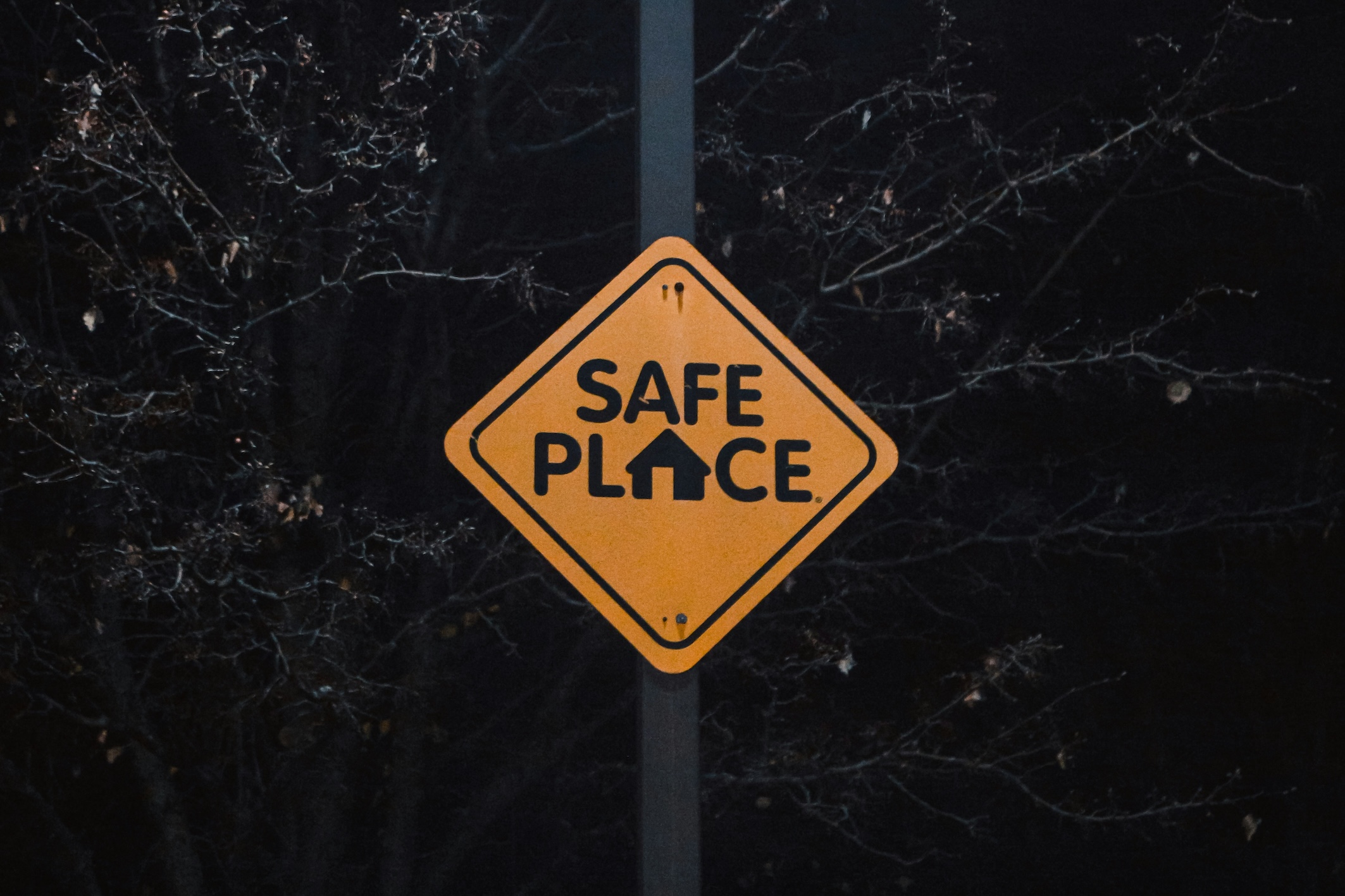
Build the environment to build the team
TL:DR If you are able to build an environment and culture that offers real psychological safety, sales will flourish and sales people will thrive.
Could it be that talking about a loss in confidence is as difficult a thing to talk openly about for someone in sales, man or woman?
What do you say? Who do you say it to? What is that person supposed to do?
My introduction to sales I don’t remember there ever being a time when it was ok to talk about a lack of sales confidence – in the 1990s it was a surefire way of igniting concern with leadership and adding more pressure to the individual.
In many of those sales environments at the start of my career, it wasn’t wise to show weakness.
I have no massive research to pull from simply reflecting on my own experience. It’s easy to forget the influence of movies and the media – Wall St, Glengarry GlenRoss, Jerry Maguire all have left minor legacies with memorable soundbites – “lunch is for whimps” and “Show me the money” etc…
The cultural temperature for the moment.
Remember that back then that mobile phones were a status symbol. Pin stripe suits, braces (yes…I did), flash executive cars and ceiling free expense accounts?
Back then confidence was mandatory – if you weren’t on form you had to pretend that you were.
Performing as best you could.
That was 30 ago and things most definitely have changed – or at least they should have.
In discussions about sales performance, most organisations focus on strategy, pipeline management, targets, and activity metrics.
Yet one of the most powerful influences on sales performance is rarely discussed: psychological safety within the sales team itself.
The concept of psychological safety originates from organisational psychology research dating back to the 1960s – Edgar Schein described org culture as:
A pattern of shared basic assumptions learned by a group as it solved its problems of external adaptation and internal integration.”
He observed that individuals are far less likely to challenge authority, surface problems, or question existing approaches when they believe doing so could damage their reputation or standing within the organisation.
From a behavioural perspective, this is entirely rational. In environments where mistakes are punished or vulnerability is perceived as weakness, people naturally protect themselves by withholding information.
The modern definition of psychological safety was later formalised by Amy Edmondson of Harvard Business School, who described it as a shared belief that a team is safe for interpersonal risk-taking.
her research in the health and medicine sector showed that Teams that reporting more medical errors were actually performing better than teams reporting fewer errors.
Which at first seems paradoxical and yet deeper analysis reveals the real explanation:
That High-performing teams did not make more mistakes. They simply felt safe enough to report them.
In contrast, poorly performing teams hid errors out of fear.
In practical terms, this means individuals feel able to speak openly, admit mistakes, ask for help, or challenge ideas without fear of embarrassment or punishment.
I recall being told of a company that issued each employee with a Joker that they could play at anytime they made a mistake during each month. Those employees who didn’t play the joker were under more scrutiny than those employees who did.
The focus being on ensuring that employees didn’t hide mistakes.
If only I was sure that story were true
While this may sound like a cultural or leadership issue, its implications for sales performance are significant.
Sales organisations frequently operate in environments of intense pressure where results are visible and failure can feel highly personal. When psychological safety is low, predictable behavioural patterns emerge. Salespeople hide weak pipelines, delay reporting bad news, inflate forecasts, and avoid asking for help when deals begin to stall. Managers, in turn, receive distorted information, making accurate forecasting and strategic intervention extremely difficult.
In contrast, teams with higher levels of psychological safety surface problems earlier. Salespeople are more willing to discuss struggling opportunities, seek guidance on complex deals, and share intelligence from the market. This transparency allows leaders to coach more effectively, adjust strategy faster, and allocate resources where they are genuinely needed.
Google’s Project Aristotle, a 2-year research initiative studied 180+ teams to determine what makes a team effective. It found that psychological safety was the #1 driver of success, far exceeding individual talent, skill, or experience. into team effectiveness,
A critical lesson for sales leaders who focus lean into cultural transformation around psychological safety is not that targets will soften or standards fall. In fact the reverse is expected.
The most effective commercial teams can combine high psychological safety with high performance expectations.
Leaders can create environments where difficult conversations are encouraged, mistakes are treated as learning opportunities, and information flows honestly through the organisation.
When that environment exists, sales teams become more adaptive, more collaborative, and ultimately more effective at solving customer problems. In the long run, psychological safety is not simply a cultural nicety. It is a commercial advantage.
Here are a few examples of when feeling safe in the sales environment can have a direct impact on the bottom right hand corner of the P&L.
- Forecast Optimism vs Forecast Honesty
We can all relate to this one – either from the field or as a manager.
When psychological safety is low, forecasts become aspirational rather than factual.
Salespeople can typically push deals forward that aren’t real, avoid admitting a deal is slipping
or overstate probability Why? Because admitting weakness feels like admitting personal failure.
In the environment of a safe team, people say things like: “This deal is slipping and I’m not sure why.”
That honesty allows for an earlier intervention, the introduction of role playing, training etc…
- Silence in Sales Meetings
A clear sign of low safety is passive meetings. Where typically, the manager doing most of the talking, there is little challenge or debate or the salespeople consent to stuff quickly
In these situations, silence is rarely consent, and more a case of self-protection.
In healthy teams, people challenge ideas, ask questions and generally contribute to sales intelligence.
- Late Bad News
Bad news travels slowly in those teams that feel unsafe. Deals collapse suddenly because problems were hidden. You hear phrases like: “I thought it was still alive.”
In safe environments, bad news arrives early and early problems are solvable problems.
- Individual Hero Culture
Low psychological safety often produces lone wolf behaviour. Salespeople protect their accounts, avoid asking colleagues for help and keep information private
The thinking is simple: “If I expose weakness, I lose status.”
High-safety teams share ideas, contacts, and strategies freely.
- Defensive Pipeline Reviews
There is no doubt that face-to-face pipeline reviews reveal more than those on TEAMS. Just Watch the body language. Low safety teams show, defensiveness, justification, excuses and deal explanations that are just way to long
The salesperson is protecting themselves, not analysing the deal.
In safe teams, pipeline reviews sound more like:
“Here’s where I think I lost control of this opportunity.”
That mindset creates learning.
- Lack of Upward FeedbackWhen teams feel safe, leaders receive real intelligence from the field. Instead of consent and agreement, managers hear feedback from the market like:
– “I think the market has changed.”
– “That pricing strategy won’t work.”
– “Customers are reacting differently.”
One important truth from behavioural psychology is that fear distorts information flow and in sales organisations, distorted information destroys more than just confidence.
Thanks for reading